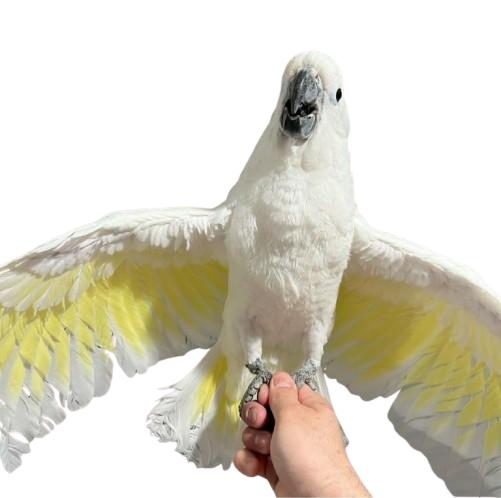
How often should I take my cockatoo to the vet
How often should I take my cockatoo to the vet is a question every dedicated parrot owner needs to think about long before an actual emergency happens. I remember when I first started working with exotic birds years ago, people assumed that as long as a cockatoo was eating seeds and screaming happily, everything was totally fine.
But experience has taught me that these intelligent, sensitive white cockatoos and umbrella cockatoos are absolute masters at hiding illness until things become critical. Establishing a reliable veterinary routine is the single most important thing you can do to protect your companion’s long-term health, and getting into a predictable rhythm changes everything about how you manage your bird’s wellbeing.
Key Takeaways
- Baseline Schedule: Healthy adult cockatoos generally need a comprehensive wellness exam with a qualified avian veterinarian at least once every year.
- The Hiding Instinct: Parrots conceal weakness instinctively to avoid predators, meaning regular checkups catch subtle internal problems long before outward symptoms appear.
- New Additions: Any newly acquired cockatoo requires an immediate baseline veterinary evaluation within the first several days of coming home.
- Life Stages Matter: Senior birds, or those with chronic health challenges, often benefit from being seen every six months rather than just annually.
Understanding the Standard Avian Veterinary Timeline
How often should I take my cockatoo to the vet depends heavily on age, lifestyle, and previous medical history, but a yearly baseline is where everyone should start. When you live with a creature as complex as a Moluccan or a Goffin’s cockatoo, relying purely on guesswork is a dangerous game. I think many owners make the mistake of waiting for physical symptoms like fluffed feathers or reduced appetite, forgetting that those signs usually mean the bird has been sick for days or even weeks.
An annual checkup lets your avian specialist establish what is normal for your specific bird. Weighing the bird, checking pectoral muscle mass, listening to air sacs, and running baseline blood panels create a historical record. If something shifts six months down the road, the vet has something concrete to compare it against. Sometimes people ask me if an annual trip stresses the bird out too much. Honestly, while car rides can cause a brief flutter of panic, the alternative—missing a developing respiratory infection or nutritional deficiency—is infinitely worse. Regular handling for carrier training actually makes travel easier over time, too.
Why Cockatoos Require Specialized Avian Vets
How often should I take my cockatoo to the vet also ties directly into who you are actually taking them to see. You cannot just drop a high-strung, powerful hookbill off at a standard cat-and-dog clinic and expect optimal results. Avian medicine is a completely different discipline. Certified avian veterinarians understand the delicate nature of air-sac systems, the specific caloric and calcium requirements of large white cockatoos, and how to safely restrain a bird with a beak strong enough to snap wood.
When you go in for those regular visits, expect the practitioner to evaluate everything from droppings and feather quality to beak alignment and joint mobility. Routine diagnostics often involve gentle swabs or small blood draws to check organ function, liver parameters, and internal parasite loads. It might feel excessive if your bird looks lively, but catching elevated white blood cells or early-stage organ stress early on gives you a massive advantage. Preventive medicine is always cheaper, safer, and less heartbreaking than emergency critical care.
Adjusting Checkup Frequencies Based on Life Stage and Health
How often should I take my cockatoo to the vet changes as the bird ages or if underlying conditions pop up. Young cockatoos that have just been weaned and brought home need an initial health clearance right away. This prevents introducing potential pathogens into an established home environment and gives you a clean bill of health to start with.
As they mature into steady adulthood, the standard twelve-month interval works wonderfully for most stable birds. However, once a cockatoo crosses into senior territory—often around ten to fifteen years of age depending on the exact species—I strongly advise shifting to semi-annual checkups every six months. Older parrots face higher risks of arthritis, organ decline, reproductive complications, and fatty liver issues. Catching a minor shift in kidney values on a biannual blood panel can add years of comfortable life to your companion. Furthermore, if your bird ever plucks feathers obsessively, drops weight suddenly, changes vocalization habits, or injures a blood feather, throw the schedule out the window and book an immediate appointment.
User’s Guide to Preparing Your Cockatoo for Veterinary Visits
How often should I take my cockatoo to the vet is only half the battle; knowing how to execute the visit smoothly is just as critical for reducing stress. Transporting a large, vocal cockatoo takes planning. You want a secure, appropriately sized travel carrier that allows the bird to feel somewhat enclosed and safe, rather than a massive main enclosure that rolls around in the back seat.
- Carrier Acclimation: Leave the travel carrier out in your bird’s room days before the appointment. Let them explore it, feed treats inside it, and treat it as a normal object so they do not instantly panic when it appears.
- Fresh Sample Collection: If possible, line the carrier or a small portion of the travel space with clean paper towel right before leaving so the vet can inspect fresh droppings easily.
- Write Down Diet and Behavior Notes: Keep a running mental or written inventory of what your cockatoo eats daily, any recent hormonal flare-ups, feather changes, or behavioral quirks to share during the consultation.
- Keep Comfort Items Close: Bringing a favorite small foraging toy or a familiar blanket to drape partially over the carrier can keep ambient noise and visual stressors down during the drive.
Top Considerations for Finding and Evaluating Avian Care
How often should I take my cockatoo to the vet becomes much easier when you have a trusted clinic nearby that specializes completely in exotic pets. Working with experienced professionals ensures your companion receives accurate guidance tailored specifically to the unique nuances of cockatoo husbandry, behavioral health, and nutritional balance.
- Verify Credentials: Look for veterinarians who are members of the Association of Avian Veterinarians (AAV) or board-certified by the ABVP in avian practice.
- Examine Clinic Setup: Ensure the facility maintains a quiet ward separated from barking dogs and cats, which can terrify a sensitive prey animal like a cockatoo.
- Assess Handling Skills: Notice how the veterinary team handles the bird. They should use calm, towel-assisted restraint methods designed to minimize stress and prevent accidental injury.
- Emergency Protocols: Always ask prospective clinics what their protocol is for after-hours emergencies, as rapid access to oxygen or critical care can save a life.
Conclusion
How often should I take my cockatoo to the vet ultimately boils down to maintaining a proactive commitment to your bird’s daily safety and longevity. Sticking to a dependable annual schedule for healthy adults—and stepping up to biannual visits for seniors or special-needs birds—ensures that you stay several steps ahead of potential health crises. These magnificent animals rely entirely on us to interpret their needs, look past their brave outward appearances, and secure professional guidance when things shift. By treating veterinary care as an essential pillar of responsible ownership rather than an afterthought, you give your feathered friend the absolute best chance at a long, vibrant, and joyful life by your side.
Frequently Asked Questions
Can I just treat minor cockatoo illnesses at home without seeing a vet?

No, treating a sick parrot at home based on online guesses is extremely risky because birds mask severe internal illnesses until their physical reserves are completely exhausted. What looks like a simple case of fatigue or fluffed feathers can stem from rapid respiratory infections, metabolic disorders, or organ failure that require immediate prescription medication and professional diagnostics from an avian vet.