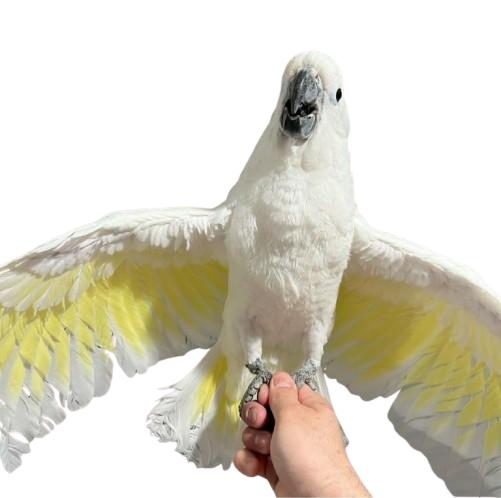
Do cockatoos come with a health guarantee when purchased
When you are diving into the world of exotic bird ownership, a lot of questions tend to pop up, and I think the biggest one on most people’s minds involves safety and breeder promises. Bringing home a majestic white cockatoo or a lively umbrella cockatoo is an incredible milestone, but it also brings a wave of normal anxiety about whether your new feathered companion is genuinely healthy.
People often ask me about these assurances, and honestly, the landscape of avian warranties can feel a bit murky if you do not know what to look for. In this guide, we are going to look closely at what these agreements entail, how reputable aviaries protect their flock, and what you should expect before signing any paperwork.
Key Takeaways
- Understanding Avian Warranties: Most dedicated cockatoo breeders provide a brief initial health window rather than a multi-year warranty due to how sensitive exotic birds are to external environments.
- The Role of Avian Vets: Validating any purchase protection almost always requires an independent check by a certified avian veterinarian within a strict timeframe, usually 48 to 72 hours.
- Environmental Impact: Because parrots react intensely to stress, changes in air quality, and new surroundings, proper quarantine and gradual settling periods are mandatory.
- Transactional Clarity: Knowing the difference between replacement options, store credit, and medical reimbursement helps you choose a transparent source for your next companion.
Why Health Assurances Matter When Buying a Cockatoo
When you decide to invest your time, heart, and resources into adopting an intelligent, long-lived companion like a cockatoo, peace of mind is everything. I remember when I first started working closely with exotic species; the sheer amount of variable advice out there made my head spin. You want to know that the baby or adult parrot you are welcoming into your living room has not inherited hidden medical flaws or contracted an illness during its early development.
A proper health policy acts as a bridge of trust between a conscientious breeder and a passionate pet parent. Without it, you are essentially flying blind—no pun intended. Yet, unlike car parts or even some mammalian pets, birds are delicate biological entities with respiratory systems that process the world around them differently than dogs or cats. Their air sacs make them uniquely vulnerable to airborne toxins, drafty rooms, and sudden drops in temperature. Therefore, a structured agreement gives you a concrete framework to verify that your bird left the facility in top shape.
What Do Typical Cockatoo Health Warranties Actually Cover?
It is easy to assume that a livestock or bird warranty covers everything under the sun for years on end, but reality works a bit differently in the avian community. Most professional aviaries structure their policies around a short, highly intensive initial observation window—frequently spanning 72 hours up to a week.
Why such a brief period? Because once a parrot leaves the controlled environment of a professional breeding facility, the variables multiply exponentially. A comprehensive agreement generally safeguards you against:
- Congenital defects or major systemic illnesses present at the exact time of purchase.
- Specific infectious conditions that manifest immediately despite incubation periods, provided they are documented by a qualified professional.
- Severe underlying organ dysfunctions detected during an initial baseline exam.
However, standard policies will explicitly exclude issues triggered by subsequent household hazards. If a new bird encounters non-stick cookware fumes, cigarette smoke, toxic houseplants, or unsupervised family pets after arriving home, the responsibility shifts. Transparency here is vital, and reading the fine print ensures you never experience an unwelcome surprise.
The Vital Importance of the Post-Purchase Avian Vet Exam
You cannot talk about a live-animal health policy without highlighting the mandatory “well-bird” checkup. Almost every reputable breeder insists that you take your newly acquired cockatoo to a certified avian veterinarian within three to five days of taking custody.
This requirement is not just a formality designed to protect the seller; it is genuinely for your protection, too. Avian medicine requires specialized knowledge that standard cat-and-dog practitioners rarely possess. During this initial visit, the vet will typically perform:
- A physical evaluation of body condition, feather quality, and hydration levels.
- Gram stains to check intestinal flora balance.
- Specific panel tests for common avian pathogens like Psittacosis if requested or recommended based on regional guidelines.
If your vet discovers a major, pre-existing health hurdle during that initial window, the documentation they provide becomes your key to invoking the replacement or refund clauses outlined in your purchase contract. Skipping this appointment almost universally voids any protection offered, making it the single most important step after unboxing or picking up your new pet.
Listicle: Top Considerations and Species Variations for Cockatoo Buyers
Navigating the market requires a careful eye, especially when dealing with different cockatoo species that carry unique care profiles and purchase frameworks. Here is a breakdown of what to weigh during your search:
- The Umbrella Cockatoo: Known for their incredibly affectionate yet demanding personalities, these gentle giants require meticulous vetting. Ensure your seller provides clear details on parent stock health and socialization history to prevent early behavioral hurdles.
- The Goffin’s Cockatoo: Being smaller does not mean fewer health complexities. Smaller white cockatoos still need robust documentation regarding nutritional weaning milestones, as premature weaning drastically weakens their immune response.
- The Moluccan Cockatoo: Because these striking pink birds are prone to intense emotional stress, a sound transition plan from the breeder is just as vital as physical health guarantees. Stress-induced illness can manifest rapidly within the first week.
- Independent Diagnostic Testing: Always ask if the aviary performs routine screening for common multi-bird pathogens before a chick is fully feathered and ready for transition.
- Written Versus Verbal Promises: Never rely on a casual handshake or a phone conversation. Every single term regarding replacement policies, return windows, and vet cost disclaimers must be documented clearly in writing.
Conclusion
Ultimately, securing a healthy companion bird comes down to choosing transparency over convenience. While a short operational guarantee window requires you to act quickly with specialized veterinary appointments, it provides a reliable safety net that weeds out careless operations from dedicated aviculturists. Take your time, read the documentation thoroughly, and establish a relationship with a local avian specialist before your new friend even arrives home.
Frequently Asked Questions
What happens if my cockatoo gets sick shortly after bringing it home?

If your bird falls ill within the specified policy window (typically 72 hours to 5 days), you must take it to a certified avian veterinarian immediately. If the veterinarian certifies in writing that a major, pre-existing health defect was present at the time of sale, you can present that documentation to your breeder to exercise your options for a replacement or a refund, depending on the specific terms of your purchase agreement.