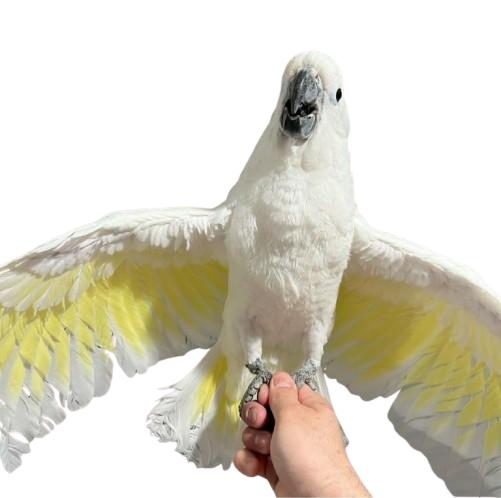
At what age can cockatoos be adopted?
At what age can cockatoos be adopted? This is one of the most important questions you can ask when you’re considering bringing one of these amazing birds into your home. The simple answer is that a cockatoo is ready for adoption when it has been fully weaned from hand-feeding formula and is confidently eating on its own. This process typically occurs between 12 and 20 weeks of age, but the exact timing varies by species and individual bird. Adopting at the right time ensures your new companion has a solid foundation for a healthy, happy life with you, and that’s the kind of commitment we champion here at THE COCKATOO HOME.
Key Takeaways
- The Right Time is Crucial: The ideal age for a cockatoo to be adopted is after it has been fully weaned, a process that typically concludes between 12 and 20 weeks of age, but this is highly dependent on the individual bird.
- Weaning is a Milestone, Not a Deadline: A good breeder, like myself, Michael Anderson, will never rush the weaning process. Forcing a cockatoo to wean too early can lead to long-term behavioral and psychological issues. The bird must be fully ready.
- Health and Socialization are Top Priorities: The weeks leading up to adoption are critical for a cockatoo’s development. This is when they are properly socialized, exposed to a variety of stimuli, and receive their initial health check-ups.
- Expertise Makes the Difference: Working with a knowledgeable breeder who understands the complexities of cockatoo development is key. They can provide a transparent timeline and guide you through the process, ensuring a smooth transition for both you and your new bird.
- Long-Term Commitment: Adopting a cockatoo is a lifelong commitment. Their long lifespan means that when you ask “At what age can cockatoos be adopted?”, you are really asking about the first step in a relationship that could last 60 years or more.
Understanding the Weaning Process: When a Cockatoo is Ready for Its Forever Home
As a breeder with years of experience, I’ve seen it all, and the most common mistake I see potential owners make is being too focused on getting a baby bird home as quickly as possible. I completely understand the excitement, but rushing the process can have disastrous long-term consequences. The question of “At what age can cockatoos be adopted?” isn’t just about a calendar date; it’s about a critical developmental stage called weaning.
Weaning is the process where a baby bird transitions from a diet of hand-feeding formula to solid foods, such as pellets, fresh fruits, vegetables, and seeds. This isn’t a simple switch; it’s a gradual process that requires patience, observation, and expertise. A breeder who rushes weaning might be trying to cut corners or get birds out the door faster, which can lead to a host of problems for the new owner.
These issues can include a bird that is underweight, has a compromised immune system, or develops psychological problems such as separation anxiety or feather plucking later in life. A properly weaned cockatoo, on the other hand, is a confident and healthy bird, ready to tackle the challenges of a new home.
At THE COCKATOO HOME, we see weaning as a natural process. We never force a baby to wean. Instead, we offer them a variety of solid foods alongside their hand-feeding formula, allowing them to experiment and learn at their own pace. They will naturally begin to reduce their formula intake as they become more comfortable and confident with solid foods. For large cockatoo species, this can take longer than for smaller ones. A Moluccan or Umbrella Cockatoo might take a little longer to wean compared to a Goffin’s or Citron Cockatoo. This is why when you ask, “At what age can cockatoos be adopted?”, the answer is always, “When they’re ready.”
The weaning process is also a crucial time for a cockatoo’s social and behavioral development. As they become more independent in their feeding, they also become more curious and confident. This is when we introduce them to a variety of toys, perches, and different environments to help them become well-rounded and fearless. A well-socialized cockatoo is less likely to develop fear-based aggression or other behavioral issues. This comprehensive approach is what separates a quality breeder from the rest, and it is a major factor in ensuring that your new bird is not just a pet, but a well-adjusted member of your family.

The Role of a Reputable Breeder: Answering the Question “At what age can cockatoos be adopted?”
When you’re trying to figure out “At what age can cockatoos be adopted?“, the breeder you choose is the single most important factor. A reputable breeder is your partner in this journey, not just a seller. My name is Michael Anderson, and at THE COCKATOO HOME, we pride ourselves on a transparent, ethical, and highly professional approach. This is where our expertise and trustworthiness come into play.
A good breeder will be able to tell you exactly how they hand-feed and wean their birds. They should be able to provide you with a timeline, but also emphasize that it is a general guide and that the bird will be ready when it is ready. They should never promise you a specific “pick-up” date if the bird is not yet fully weaned.
They will also be very open about the health of the parent birds and will have a veterinarian on staff or on call. At our aviary, we conduct regular health checks and keep meticulous records. We are more than happy to share these records with you, as it demonstrates our commitment to the health and well-being of every bird.
Furthermore, a top-tier breeder will provide ongoing support after the adoption. The relationship doesn’t end when you take your cockatoo home. A good breeder will be there to answer your questions and provide guidance as you navigate the joys and challenges of cockatoo ownership. We offer a comprehensive guide for all new owners and are always just a phone call or email away. This level of post-adoption support is invaluable, especially with a long-lived and complex species like the cockatoo. When you ask, “At what age can cockatoos be adopted?”, you are also implicitly asking, “Who will be there to support me after the adoption?”, and a reputable breeder should have a clear and reassuring answer.
Top Cockatoo Species and Reputable Breeders: Your Guide to Finding a Companion
Finding a breeder who can answer “At what age can cockatoos be adopted?” with expertise is paramount. Here is a guide to some of the most popular cockatoo species and what to look for in a breeder who specializes in them. This long list is here to help you get started on your search for a lifelong companion. The journey to bringing home a cockatoo is a detailed one, and this guide should serve as a starting point, helping you navigate the world of ethical breeders who take the time to answer all your questions, including the crucial one about at what age can cockatoos be adopted.
- Umbrella Cockatoo (Cacatua alba): Known for their striking white plumage and affectionate, “Velcro” personalities. They are one of the most popular species but require immense attention and can be very loud.
- Reputable Breeders: Look for breeders who have a strong reputation for hand-rearing and socializing their birds from a young age. They should provide full medical records and a clear health guarantee. A good breeder for this species will emphasize the importance of early socialization to prevent behavioral issues.
- Moluccan Cockatoo (Cacatua moluccensis): Also known as the Salmon-crested Cockatoo, this species is renowned for its intelligence and emotional depth. They are a significant commitment due to their size and potential for high-volume vocalizations.
- Reputable Breeders: A breeder specializing in Moluccans should be a member of a national parrot club and be well-versed in the specific nutritional needs and behavioral nuances of the breed. They should be able to discuss their process for hand-feeding and socialization in detail.
- Goffin’s Cockatoo (Cacatua goffiniana): A smaller, but equally intelligent and playful cockatoo species. They are known for being escape artists and require a lot of mental stimulation.
- Reputable Breeders: Look for a breeder who can demonstrate the intelligence of their birds by providing enrichment activities in their environment. A breeder who focuses on Goffin’s should be able to advise on cage security and toy selection.
- Sulphur-Crested Cockatoo (Cacatua galerita): A very large and majestic cockatoo with a loud, attention-seeking personality. They can be very long-lived, sometimes reaching 70 years or more.
- Reputable Breeders: Given their size and long lifespan, a breeder should be very selective about placing these birds. They should be able to provide clear documentation of their birds’ lineage and health history, as well as a comprehensive care guide.
- Rose-Breasted Cockatoo (Eolophus roseicapilla): Known as the Galah in its native Australia, this medium-sized cockatoo is famous for its beautiful pink and grey plumage and sweet, playful nature.
- Reputable Breeders: A Galah breeder should focus on stable temperaments and be able to provide a clear history of their birds. They should be transparent about the birds’ diet and housing, as well as their socialization practices.
- Citron-Crested Cockatoo (Cacatua sulphurea citrinocristata): A subspecies of the Lesser Sulphur-Crested Cockatoo, this bird is known for its beautiful orange crest. They have the intelligence and personality of a large cockatoo in a smaller package.
- Reputable Breeders: A breeder specializing in this species should be knowledgeable about the specific care and dietary needs of Citron-Crested Cockatoos. They should be transparent about their hand-feeding and weaning practices and the age at which they are comfortable placing the birds in new homes.
- Bare-Eyed Cockatoo (Cacatua sanguinea): Often called the “little clown” of the cockatoo family, these birds are known for their playful and energetic personalities. They are smaller than many other species but have a huge personality.
- Reputable Breeders: A breeder who works with Bare-Eyed Cockatoos should be able to speak to their specific needs for exercise and mental stimulation. They should be able to provide a clear answer to “At what age can cockatoos be adopted?” and explain why their timeline is the best for the bird’s development.
- Palm Cockatoo (Probosciger aterrimus): A truly magnificent and rare bird, known for its large size, black plumage, and prominent red cheek patches. They are a huge commitment and are often not recommended for first-time owners.
- Reputable Breeders: Due to their rarity and specialized needs, a Palm Cockatoo breeder should be a highly-respected expert in the field. They should have a long history of breeding this species and be able to provide comprehensive documentation of the bird’s health and lineage.
The key to a successful adoption, regardless of species, is a breeder who prioritizes the well-being of the bird above all else. When you ask them “At what age can cockatoos be adopted?”, they should not give you a generic answer, but a detailed, thoughtful response that shows they are truly invested in their birds.
Conclusion
The question, “At what age can cockatoos be adopted?”, is the first step in a very important and long-lasting relationship. The right answer isn’t just a number; it’s an assurance that your new bird has been given the best possible start in life. At THE COCKATOO HOME, my team and I, Michael Anderson, are committed to ensuring every cockatoo we place is fully weaned, healthy, and well-socialized. We believe that this commitment to excellence is what makes all the difference in a bird’s long-term health and happiness. By choosing to adopt a fully weaned cockatoo from a reputable source, you are not only ensuring a smoother transition but also supporting ethical and responsible breeding practices.
Frequently Asked Questions
Q: Can I take home a cockatoo that is still being hand-fed, and how does this affect the question, “At what age can cockatoos be adopted?”
A: While some breeders may allow this, at THE COCKATOO HOME, we strongly advise against it and do not permit it. Taking home a bird that is not fully weaned puts the bird at risk of malnutrition and severe health complications. The weaning process is a critical developmental stage that requires the expertise of an experienced breeder. Hand-feeding a baby bird requires precise temperatures and a specific formula to ensure they get the right nutrients. If you make a mistake, it can be fatal. Furthermore, a bird that is force-weaned or taken from its breeder too early can develop significant behavioral issues, such as food aggression, fear, and feather plucking, as it matures. The question, “At what age can cockatoos be adopted?” is a search for a ready, confident, and healthy companion. A cockatoo that is not yet fully weaned does not fit this description, and we believe it is not in the best interest of the bird or the owner to rush this vital process.