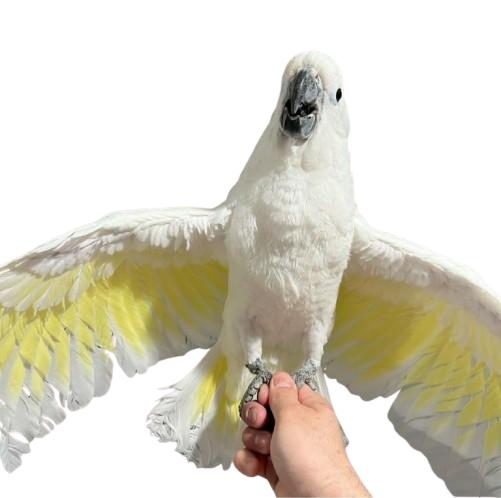
How do I know if a cockatoo is right for me
Living with a cockatoo changes your daily routine in ways most people don’t fully anticipate when they first see videos of these intelligent white parrots dancing online. I remember years ago when I brought home my first Umbrella Cockatoo—let’s call him Barnaby—thinking I was prepared for a demanding pet because I had raised large dogs before. Boy, was I wrong. Parrots aren’t mammals; they are complex, long-lived flock animals with the emotional depth of a toddler and the problem-solving skills of a clever primate, packaged in feathers.
Over decades of breeding and raising these magnificent birds, I have watched countless families fall in love with their stunning crests and affectionate cuddles, only to struggle later because they underestimated the sheer, unadulterated commitment required. If you are asking yourself how do I know if a cockatoo is right for me, you are already asking the right foundational question, but you need an honest, unfiltered look at what life with a cockatoo actually entails before making a decision.
Key Takeaways
- Emotional Intensity: Cockatoos demand massive amounts of daily social interaction and can develop severe behavioral issues like feather plucking if left isolated.
- Lifespan Commitment: Depending on the specific species, you are looking at a 40- to 80-year companion that will likely outlive you, requiring careful estate planning.
- Noise and Mess: These birds are exceptionally loud, capable of piercing screams, and produce a fine, powdery dust that coats every surface in your home.
- Financial and Physical Investment: Expect high veterinary bills from avian specialists, specialized large cages, fresh daily diets, and potential bites that require real patience to manage.
Understanding the Reality Behind How Do I Know If a Cockatoo Is Right for Me
When people start researching how do I know if a cockatoo is right for me, they usually focus on the cuddly moments—the way a Moluccan or a Goffin’s cockatoo will press its head against your cheek, asking for scritches. But let’s talk about the mornings when you wake up with a migraine, and your cockatoo decides that 6:00 AM is the perfect time to test the acoustic limits of your living room. Cockatoos are loud. It isn’t just background noise; it is a primal flock-calling screech that can travel through walls and rattle your windows. If you live in an apartment or share thin walls with close neighbors, owning a cockatoo is almost certainly going to cause friction.
Beyond the noise, there is the dust. Unlike many other parrots, cockatoos produce down feathers that break down into a fine, talcum-like powder to keep their plumage waterproof. If anyone in your household suffers from asthma, severe allergies, or even mild chronic sinus issues, that powder can become a major health hurdle. I have seen
owners install heavy-duty HEPA air purifiers in every single room, and still, they find white dust settling on their television screens and bookshelves by evening. It is a constant battle against mess, compounded by the fact that these birds are notorious chewers. They don’t just play with wooden toys; they obliterate them, leaving behind piles of splinters and shredded cardboard that you will sweep up multiple times a day.
Then there is the emotional side of things, which is perhaps the heaviest weight to carry. How do I know if a cockatoo is right for me means examining your own schedule. Are you away at a corporate job for ten hours a day? If so, stop right here—a cockatoo is not for you. These birds form intense, bonded relationships with their human caretakers. When they are deprived of attention, they don’t just get sad; they often resort to self-mutilation,
screaming, or severe aggression. I often tell prospective owners that having a cockatoo is remarkably similar to having a permanent toddler who never grows up, never goes off to college, and maintains the ability to bite through a wooden broomstick with ease.
Comprehensive Species Breakdown and Choosing the Right Fit
Because the broader question of how do I know if a cockatoo is right for me depends heavily on which cockatoo you bring home, we need to look at the specific variations available in the aviculture world. Not all cockatoos share the same temperament, size, or housing needs. Some are relatively manageable for experienced bird owners, while others are absolute powerhouses meant only for specialized sanctuaries or seasoned professional breeders.
The Umbrella Cockatoo (White Cockatoo)
The Umbrella Cockatoo is famous for its striking, broad white crest and its absolute devotion to its human companions. They are often called velcro birds because they want to be on your shoulder, your arm, or your head every waking second. However, this intense need for physical closeness can easily morph into separation anxiety. If you have a flexible work-from-home schedule and plenty of patience for a bird that demands hours of out-of-cage time daily, an Umbrella can be a rewarding lifelong partner. On the flip side, if you value personal space or quiet evenings, an Umbrella Cockatoo will test your sanity within the first week.
The Goffin’s Cockatoo
As the smallest of the commonly kept white cockatoos, the Goffin’s is often considered by people who love the personality of a large cockatoo but worry about managing the physical size and sheer volume of an Umbrella or Moluccan. Goffin’s are extraordinarily playful, highly intelligent, and capable of learning complex puzzles and tricks. They still scream, and they still demand attention, but their smaller beak size and lighter body weight make handling a bit less intimidating for intermediate bird enthusiasts. Even so, their boundless energy means you have to keep them constantly mentally stimulated, or they will find destructive ways to entertain themselves using your drywall and baseboards.
The Moluccan Cockatoo
The Moluccan is a breathtaking bird with soft salmon-pink plumage and a dramatic, fiery red crest, but I always issue a serious warning to anyone looking to bring one home. Moluccans are massive, incredibly powerful, and possess emotional volatility that can catch even experienced bird keepers off guard. Their vocalizations can reach decibels that rival a lawnmower, and their bites can send you to the emergency room for stitches. They require massive, heavy-gauge steel enclosures and sturdy outdoor aviaries whenever weather permits. If you are asking how do I know if a cockatoo is right for me and you are picturing a gentle, quiet pet to cuddle while watching television, a Moluccan is almost certainly the wrong direction.
Detailed User Guide: Daily Care, Diet, and Enrichment
Successfully living with a cockatoo requires setting up a structured daily routine that addresses their biological and psychological needs. A bored cockatoo is a destructive cockatoo, and a neglected cockatoo is a behavioral nightmare. Let’s break down what a proper daily husbandry schedule looks like in a real household.
Morning Routine and Nutritional Management
Your day starts early. Cockatoos wake up with the sun, and they expect breakfast immediately. Their diet should go far beyond standard seed mixes, which are far too fatty and lead to liver disease over time. A proper diet consists of high-quality formulated pellets, fresh dark leafy greens, cooked sweet potatoes, carrots, broccoli, and occasional safe fruits like berries or melon as treats. In the wild, cockatoos spend hours foraging for seeds, roots, and insects. To mimic this behavior in captivity, you should never just dump food into a bowl. I always recommend hiding bits of food in foraging toys, paper bags, or puzzle feeders so the bird has to work for its meal, burning mental and physical energy.
Out-of-Cage Time and Social Interaction
A cockatoo needs a minimum of three to four hours of out-of-cage interaction every single day. This isn’t passive time where the bird sits on a stand while you ignore it; this is active engagement, training, talking, preening, and allowing the bird to stretch its wings. During this time, you should supervise them closely. They love to chew on furniture, peel wallpaper, and chew through electrical cords. Providing dedicated play stands stocked with fresh, untreated wood branches, pine blocks, and shreddable cardboard will help save your household items from total destruction.
Sleep and Environment Stability
Just like humans, cockatoos need adequate, uninterrupted sleep to maintain their immune systems and stable moods. They require between 10 to 12 hours of total darkness and quiet every single night. Many experienced owners use a separate sleep cage in a quiet, dark room away from household traffic to ensure their bird gets deep, restful sleep without being disturbed by late-night television or lights. Maintaining a consistent bedtime schedule reduces hormonal outbursts and keeps nighttime night-frights to a minimum.
Listicle of Top Cockatoo Breeders and Ethical Sourcing Practices
When you have finally weighed all the pros and cons and decided that you are fully prepared for the journey, finding the right source for your bird is the most critical step you can take. Ethical breeding ensures that your cockatoo is healthy, socialized properly from a young age, and free from the hidden genetic or behavioral issues that plague poorly managed facilities. Here is a curated look at what to look for when evaluating top-tier breeders and avian nurseries.
- Dedicated Avian Health Screening: Reputable breeders work closely with certified avian veterinarians to test breeding pairs for common psittacine diseases like Polyomavirus, Psittacosis, and PBFD (Psittacine Beak and Feather Disease) before any chicks are hatched.
- Hand-Feeding and Early Socialization: Top breeders don’t just pull chicks and isolate them in sterile bins. They hand-feed with precision temperature formulas while gently exposing young birds to normal household sounds, different human hands, and various environmental stimuli to build confidence.
- Weaning Transparency: A trustworthy breeder will never rush the weaning process just to make a quick sale. They allow each chick to wean onto solid foods at its own natural pace, ensuring the digestive and psychological systems are fully developed.
- Post-Sale Support and Guidance: The best breeders view their relationship with you as lifelong. They offer ongoing advice regarding diet changes, behavioral adjustments, cage setups, and troubleshooting long after you take your new companion home.
- Facility Openness and Cleanliness: Whether virtual or in-person where biosecurity allows, ethical breeders maintain immaculate, well-ventilated aviaries with spacious flight runs for their adult breeding stock, prioritizing animal welfare over high-volume commercial output.
Conclusion
Weighing how do I know if a cockatoo is right for me ultimately comes down to an honest assessment of your lifestyle, your patience, and your long-term life plans. These stunning, brilliant creatures offer an unmatched level of affection and companionship, but they demand a lifestyle built entirely around their unique needs. If you have the space, the financial stability, the tolerance for noise and dust, and the dedication to provide decades of active care, welcoming a cockatoo can be one of the most rewarding experiences of your life. However, if any part of you hesitates or craves a quiet, low-maintenance pet, it is far wiser to admire these magnificent parrots from afar.
Frequently Asked Questions
Can cockatoos be left alone while I go to work for a normal eight-hour day?

Leaving a cockatoo completely alone for an eight-hour workday plus commute time on a regular basis is generally discouraged unless you have a multi-bird household with plenty of ambient stimulation, a dedicated avian companion, or someone who can check in on them. Because cockatoos form intense social bonds, prolonged daily isolation often triggers severe psychological distress, chronic screaming, feather-plucking, and aggressive biting behaviors. If your lifestyle keeps you out of the house for long stretches, a cockatoo will struggle to thrive under your care.