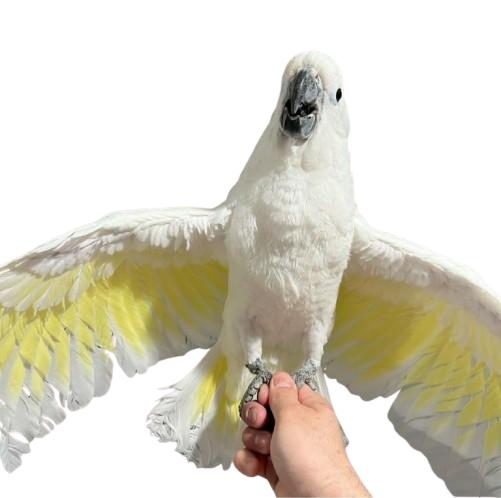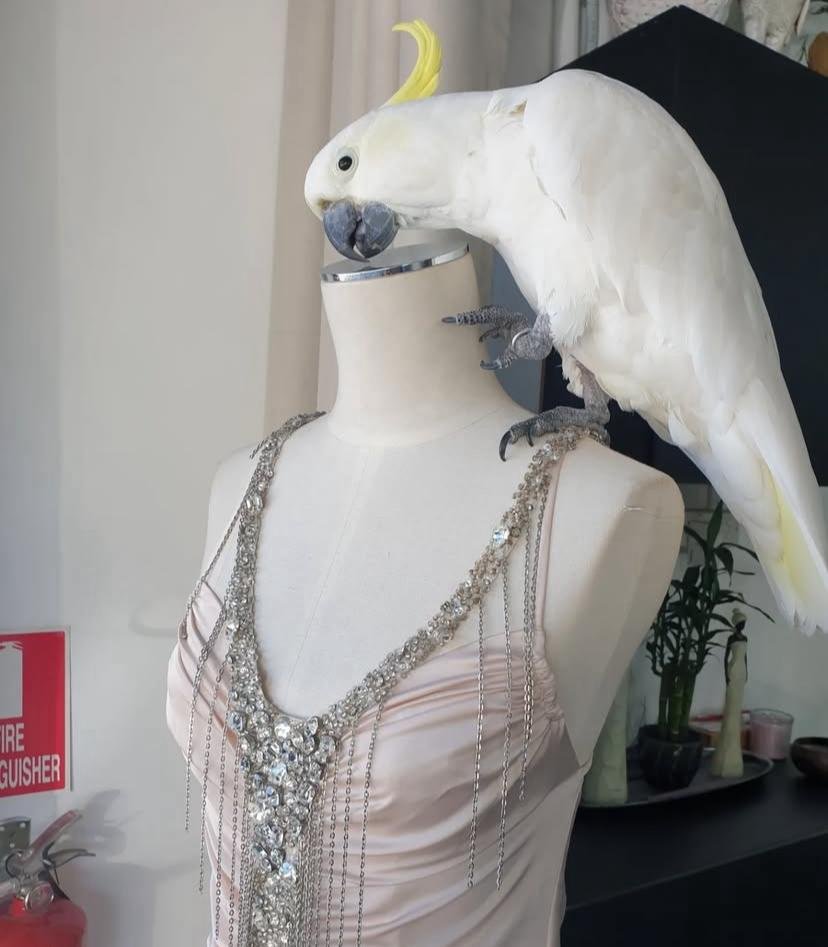
How do I stop a cockatoo from biting?
Welcome, fellow bird lovers! My name is Michael Anderson, and as the founder of THE COCKATOO HOME, I’ve spent years working with these incredible, intelligent birds. A question I hear all the time is, “How do I stop a cockatoo from biting?” It’s a frustrating and often painful problem, but it’s one that, with the right approach and a lot of patience, can be solved.
A biting cockatoo isn’t a “bad” cockatoo; it’s a bird that is trying to communicate something to you. My goal today is to give you a deep understanding of why cockatoos bite and, more importantly, a practical, proven guide on how to address this behavior effectively. By the end of this article, you’ll have the knowledge you need to build a trusting relationship with your feathered friend and turn a difficult situation into a positive and rewarding one.
Key Takeaways
- Biting is Communication: A cockatoo bites because it’s trying to tell you something. It could be out of fear, excitement, territoriality, or simply a desire for space. Understanding the “why” behind the bite is the first and most critical step.
- Avoid Punishment: Yelling, hitting, or other forms of physical punishment are counterproductive. They will only make your cockatoo fearful and break the bond of trust, often leading to more biting.
- Focus on Positive Reinforcement: The most effective strategy is to reward the behaviors you want to see. This means offering treats, praise, or attention when your cockatoo is calm, cooperative, and not biting.
- Read Their Body Language: Cockatoos have a rich and complex body language. Learning to read their cues—like eye pinning, crest position, or feather fluffing—is essential for anticipating a bite and preventing it before it happens.
- Environment and Routine are Crucial: A well-balanced diet, sufficient sleep, and a stimulating environment with plenty of toys and foraging opportunities can dramatically reduce biting behavior by addressing the root causes of stress or boredom.
- Seek Expert Help: If you’re struggling, don’t hesitate to contact an avian behavior specialist. Professional guidance can provide a tailored solution for your specific bird.
Understanding the Biting Cockatoo: The First Step in Learning How do I stop a cockatoo from biting?
When you’re a cockatoo owner, you’re not just a pet owner; you’re a member of a flock, and as the flock leader, it’s your responsibility to understand and guide your bird’s behavior. The journey to figuring out “How do I stop a cockatoo from biting?” is a deep dive into the mind of your bird. People often assume a biting cockatoo is just being mean, but that’s a human interpretation of a very natural, instinctual behavior. Cockatoos, like all parrots, use their beaks for a wide range of activities, from climbing and exploring to preening and, yes, communicating their displeasure.
A cockatoo might bite for a number of reasons. Fear is a major one. If a bird feels threatened or cornered, its natural instinct is to defend itself. This could be triggered by a sudden movement, a new person in the house, or even an unfamiliar object. Biting can also be a way of establishing boundaries. These are highly intelligent and emotional animals. They may bite to say, “I don’t want to be touched right now,” or “I want some alone time in my cage.” In some cases, biting can be a sign of a deeper issue, such as a medical problem, hormonal changes, or a lack of mental stimulation.
This is where the expertise of a seasoned breeder, like myself, and a qualified avian vet is so important. When you’re at THE COCKATOO HOME, we don’t just hand over a bird; we make sure you are prepared to handle their unique needs, including common behavioral challenges. Our extensive experience has taught us that every cockatoo is an individual, and a one-size-fits-all approach to how do I stop a cockatoo from biting will not work.
I’ve seen so many situations where an owner’s frustration makes the problem worse. When a bird bites and the owner yells or pulls their hand away quickly, the bird learns that biting gets a reaction. This can inadvertently reinforce the behavior. A cockatoo is smart; it will quickly figure out that biting is an effective way to get you to stop doing something it dislikes. This is why our training philosophy at THE COCKATOO HOME is built on trust and positive reinforcement.
We teach our clients to become fluent in their bird’s body language so they can anticipate a potential bite and redirect the bird’s attention before it happens. Learning to read a cockatoo’s signals a slightly raised crest, a shift in weight, or a subtle change in eye pinning is the secret to preventing bites entirely. It’s a skill that demonstrates genuine experience and builds a powerful bond.

Effective Strategies and Training: A Guide on How to Stop a Cockatoo from Biting
Now that we understand why a cockatoo might bite, let’s talk about the practical solutions. The core of my advice on “how do I stop a cockatoo from biting?” is centered around two principles: prevention and positive reinforcement. You can’t just react to a bite; you have to train for a bite-free future.
The first step is to create an environment where your cockatoo feels secure and content. A bored or stressed cockatoo is a biting cockatoo. Make sure their cage is large enough and filled with a variety of engaging toys. Rotate these toys regularly to keep their interest. Foraging toys, in particular, are excellent because they provide mental stimulation and a healthy outlet for their natural behaviors.
A well-fed bird on a balanced diet of high-quality pellets, fresh fruits, and vegetables is also a happier, less hormonal, and less aggressive bird. At THE COCKATOO HOME, we emphasize the importance of these basic husbandry practices because they are the foundation for good behavior. Without them, no amount of training will be truly effective.
When it comes to direct training, avoid punishment at all costs. Shouting “No!” or putting the bird back in its cage immediately after a bite often backfires. Instead, learn to be a confident and calm presence. When your cockatoo shows signs of wanting to bite, or even if it nips, the best response is often to stay still and not react.
Pulling your hand away is the worst thing you can do, as it confirms to the bird that biting is an effective way to get its way. A better approach is to gently push your hand into the bite, as this can confuse the bird and encourage it to release its hold. Once the bird has calmed down, you can use positive reinforcement.
Reward every desirable behavior. If your cockatoo steps up onto your hand calmly, give it a treat and plenty of praise. If it’s playing with its toys quietly, go over and give it a scratch on the head or a favorite snack. The goal is to make positive interactions more rewarding than negative ones. You want your cockatoo to associate your hands with good things—treats, fun, and affection—not with frustration or fear. This isn’t just about training; it’s about building a relationship based on mutual trust and respect.
A Deeper Dive into Cockatoo Behavior and Training
As a seasoned breeder, I’ve seen it all, and I’ve learned that a deep understanding of cockatoo psychology is key to preventing biting. The issue of “How do I stop a cockatoo from biting?” isn’t just about training; it’s about understanding the complex social dynamics of these animals.
Cockatoos are flock animals, and in your home, you are their flock. They need a sense of belonging and a clear social structure. Sometimes, a cockatoo will bite to test boundaries or to get a specific reaction. They are incredibly smart and will learn what works. If biting gets them attention, even negative attention, they will continue to do it. The best response is a non-reaction. If you’re holding your bird and it bites, calmly put it on a perch and walk away. The lack of a dramatic reaction teaches them that biting is not a successful strategy for getting what they want.
Another common cause of biting is hormonal behavior, especially during mating season. Cockatoos, particularly males, can become more territorial and aggressive. During this time, it’s important to respect their space and avoid triggering situations. This might mean minimizing petting on their back or wings, which can be seen as a sexual cue. Instead, focus on head and neck scratches.
Providing more foraging opportunities and a healthy diet can also help to manage hormonal surges. As your birds get older, this becomes a critical part of their care. I always tell my clients at THE COCKATOO HOME that an informed owner is a happy owner, and understanding these natural cycles is part of that information. The more you know about their natural behaviors, the better equipped you will be to answer the question, “How do I stop a cockatoo from biting?” in real-time situations.
This entire process is about building a bond of trust. A cockatoo that trusts you is far less likely to bite. This trust is earned through consistent, positive, and predictable interactions. It’s about respecting their body language and giving them space when they need it.
It’s about providing them with a stimulating environment and a healthy diet. And it’s about having the patience to work through the challenges without resorting to punishment. The payoff is a loyal, affectionate, and bite-free companion who will bring you immense joy for years to come. This is the expertise that we bring to the table at THE COCKATOO HOME. We’re not just selling a bird; we’re giving you a guide on how to be a successful and loving bird owner.
Conclusion
Tackling the question, “How do I stop a cockatoo from biting?” requires more than just a quick fix. It’s a journey of understanding, patience, and a commitment to positive reinforcement. A biting cockatoo is a bird in need of a better way to communicate, and it’s your job as a loving owner to teach them.
By learning to read their body language, providing a stimulating environment, and responding to undesirable behavior with calm, consistent redirection rather than punishment, you can build a strong, trusting, and bite-free relationship. At THE COCKATOO HOME, our mission is to empower you with the knowledge and support you need to make this relationship a success. A happy, well-adjusted cockatoo is a true delight, and it all starts with a little understanding and a lot of love.
Frequently Asked Questions
Q: Can a cockatoo that has been biting for a long time ever be trained to stop, and how does this relate to the unique challenges addressed by THE COCKATOO HOME?
A: Yes, absolutely. It’s a common misconception that a cockatoo with a long history of biting is a lost cause. The key is to understand that the behavior is learned and, therefore, can be unlearned. The process may take longer, as you have to undo old habits and build new ones, but it is entirely possible. At THE COCKATOO HOME, we deal with these exact scenarios, often advising clients who have adopted older birds. The focus shifts from simply stopping the bite to re-establishing trust. This involves a consistent and patient approach, starting with no-touch interactions to rebuild confidence, using target training to re-engage the bird positively, and ensuring the bird’s foundational needs—like diet, sleep, and enrichment—are perfectly met. It’s a testament to the expertise and deep understanding of cockatoo behavior that we offer. A bird that has been biting for years is a bird that has been in a communication loop of frustration. By breaking that cycle and introducing positive alternatives, you can transform the relationship. It’s not about magic; it’s about a deep, experienced-based understanding of the “why” and a commitment to the “how” that only true bird experts can provide.