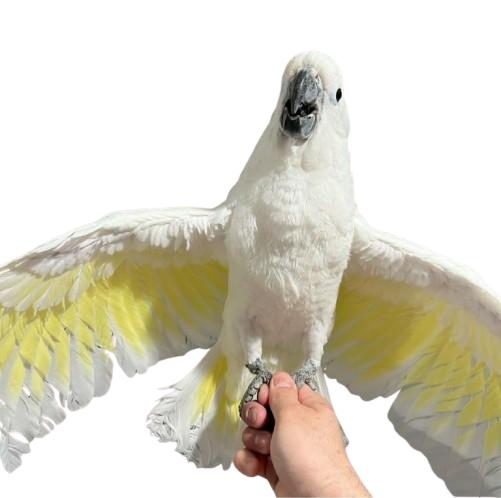
How do I stop a cockatoo from biting
How do I stop a cockatoo from biting is a question I hear almost daily from fellow bird owners who are at their absolute wit’s end, staring down a swollen finger and wondering where things went wrong with their usually sweet companion.
Key Takeaways
- Read Body Language: Pinning eyes, slicked feathers, and lowered heads mean back off immediately before a bite happens.
- Avoid Punishment: Yelling or shaking damages trust and only makes defensive biting worse.
- Use Positive Reinforcement: Reward calm behaviors and step-ups with high-value treats to reshape habits.
- Manage Hormones: Regulate light cycles and remove dark, nest-like spaces to keep hormonal aggression under control.
Dealing with a nippy white cockatoo or a grumpy umbrella cockatoo can test the patience of even the most dedicated bird lover. I remember working with a rescue Moluccan years ago who treated my knuckles like chew toys, and I quickly learned that traditional advice—like yelling or tapping the beak—simply does not work. In fact, it often makes things worse because the bird thinks you’re just playing an energetic new game.
To really solve this, you have to look at the world through your bird’s eyes. They aren’t malicious; they are communicating.
Understanding Why Your Cockatoo Bites
Most biting behavior stems from fear, overwhelming hormonal surges, or overstimulation during heavy petting. Cockatoos are remarkably sensitive creatures. If you had a stressful day at work, your bird picks up on that jittery energy instantly and reacts defensively. I think many owners accidentally reinforce biting simply because they jerk their hand away in surprise, which turns the whole ordeal into an exciting reaction.
When a large parrot clamps down, your first instinct is panic. But taking a slow, deep breath and keeping your composure changes the entire dynamic. If you want to know how do I stop a cockatoo from biting, you have to start by preventing the trigger before it ever escalates into a full-blown attack.
Reading the Subtle Warning Signs
Long before a beak connects with your skin, your cockatoo is broadcasting its intentions. You will usually see pinned eyes where the pupils rapidly dilate and contract, sleeked-down body feathers, or a lowered head leaning forward.
- The Stare: Notice if your bird freezes and locks eyes with your hand.
- Feather Posture: Watch for the crest flattening or lifting aggressively.
- The Open Beak: A soft warning snap means you are moving too fast into their comfort zone.
Whenever I notice these cues, I stop moving entirely. Respecting those boundaries teaches the bird that they don’t need to bite to make you back away.
Step-by-Step Behavioral Modification and Training
Fixing a biting habit takes time, consistency, and a lot of quiet repetition. You cannot bully a cockatoo into behaving nicely; they are far too stubborn for that. Instead, you have to rewrite their association with human hands through target training and counter-conditioning.
When I introduce myself to a defensive bird, I keep my hands at a safe distance or use a closed fist to minimize surface area if a lunge happens. Offering a high-value treat from an open palm teaches them that hands bring good things rather than forced handling.
Managing Cage Territoriality
Many cockatoos transform into fierce little dragons the second someone reaches inside their enclosure. The cage is their sanctuary, and invading it blindly invites a defensive bite.
- Open Door Protocol: Let your bird come to the doorway on its own terms rather than dragging them out.
- Target Sticks: Use a wooden chopstick to guide them out of the cage before asking for any hands-on stepping up.
- Rearrange Perches: Changing up the interior layout every few months breaks down rigid territorial mapping.
Hormonal Triggers and Seasonal Aggression
Springtime and changing daylight hours can turn a docile companion into a hormonal nightmare. If your cockatoo’s biting frequency spikes out of nowhere, look at their environment. Are they getting twelve hours of uninterrupted darkness? Are you accidentally petting their back or under their wings, which mimics mating behavior?
Limiting high-fat seeds, removing dark cardboard boxes or cozy tent corners, and keeping a strict sleep schedule can mellow out those intense hormonal spikes remarkably well.
Top Cockatoo Breeders and Species Guide
Finding a healthy, well-socialized cockatoo starts with ethical breeding practices. If you are looking to bring one of these magnificent birds into your home, understanding the distinct species is crucial.
| Species Name | Average Size | General Temperament | Ideal Owner Experience |
| Umbrella Cockatoo | Medium-Large | Affectionate, clingy, can be loud | Intermediate to Advanced |
| Moluccan Cockatoo | Large | Deeply emotional, powerful beak, highly sensitive | Experienced Handlers Only |
| Galah (Rose-Breasted) | Medium | Generally calmer, playful, adaptable | Beginners with good research |
| Corella | Medium | Inquisitive, active, independent streak | Moderate Experience |
Ethical breeders prioritize early socialization, abundance weaning, and positive human interaction long before a baby bird goes home. Always ask breeders about their weaning process and whether they expose young birds to everyday household noises and gentle handling.
Conclusion
Solving a biting problem with a cockatoo is rarely a quick fix, but by ditching harsh punishments, tuning into their delicate body language, and leaning heavily on positive reinforcement, you can build a deeply trusting relationship. Take a step back, evaluate your own energy before interacting, and always reward calm, cooperative choices.
Frequently Asked Questions
What should I do immediately after my cockatoo bites me?

Remain as calm and neutral as possible without yelling or jerking your hand away. Quietly place the bird down or onto a nearby perch, turn away for a brief thirty-second pause to remove your attention, and then return later to engage in a positive, low-stress activity like target training.