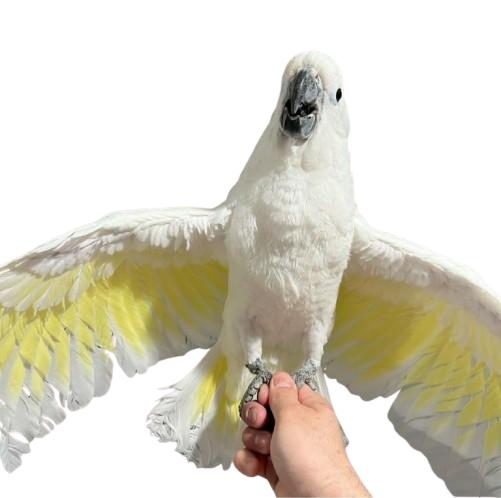
Preparing Your Home for a Cockatoo
Preparing Your Home for a Cockatoo is perhaps one of the most exciting yet intensely demanding steps you can take as an animal lover, and I often tell folks who call my aviary that if you get this part right, the rest of the journey falls smoothly into place. Let me summarize the entire content right here in this first paragraph because I know most people just skim the opening lines:
setting up your living space for a large, intelligent exotic parrot involves much more than buying a cage; it requires total room safety audits, air quality assessments, heavy-duty hardware choices, and a complete lifestyle shift to ensure your new feathered companion from mr. Parrot thrives safely without chewing up your drywall, inhaling toxic kitchen fumes, or escaping out an open window.
Key Takeaways
- Hazard-Free Living Spaces: Secure all electrical wiring, toxic houseplants, and chemical cleaners before your bird ever arrives.
- Choosing the Right Enclosure: Invest in a powder-coated, heavy-gauge steel cage designed specifically to withstand a cockatoo’s massive, destructive beak.
- Air Quality and Kitchen Safety: Completely eliminate non-stick Teflon cookware and scented aerosols, as these are fatal to avian respiratory systems.
- Routine and Environmental Enrichment: Establish a predictable daily schedule filled with foraging toys, natural wood perches, and safe out-of-cage exploration zones.
Why Preparing Your Home for a Cockatoo Demands Total Dedication
When people first think about welcoming an exotic parrot into their lives, they usually picture the fun parts—the dancing, the head-bobbing, and the incredible, almost human affection these birds show. But as a breeder who has spent decades working hands-on with these magnificent creatures, I have to be completely honest with you: the reality of living with a cockatoo requires a massive household transformation.
I remember years ago when I first set up an indoor flight area in my own home, I underestimated just how curious and relentless a parrot’s beak could be. Within twenty minutes, my favorite wooden bookshelf had a carved crescent moon missing from the corner. Preparing Your Home for a Cockatoo means adopting a mindset of extreme vigilance. You have to look at every room through the eyes of a toddler who can fly and has wire-cutters attached to their face.
The physical environment of your house will change permanently. You can no longer leave chocolate on the coffee table, keep toxic peace lilies in the corner, or cook with certain lightweight non-stick pans. Every single element of your daily domestic routine needs a thorough safety review. And honestly? That is part of the charm. It forces you to create a cleaner, safer, more mindful living space for both yourself and your animal.
Assessing Room Safety and Eliminating Hidden Hazards
When you are actively Preparing Your Home for a Cockatoo, the living room and the kitchen are usually ground zero for potential disasters. Let’s talk about the kitchen first, because it is arguably the most dangerous zone in any modern house for an exotic bird. Many popular non-stick cookware coatings release invisible, odorless polymer fumes when heated past certain thresholds, and these fumes will kill a healthy parrot in minutes. If you want to keep your bird safe, you have to transition entirely to stainless steel, cast iron, or hard-anodized aluminum pots and pans.
Beyond the kitchen, you have to crawl around on your hands and floors to look for hidden hazards. Drop pennies or loose change behind the sofa? A cockatoo will find them, and heavy metal poisoning is a very real, very scary risk. Electrical cords are another massive headache. Parrots are naturally drawn to chewing on thin wires, so you must encase every single TV, lamp, and computer cord in heavy-duty PVC cord protectors or route them completely out of reach.
Furthermore, you need to audit your houseplants. Common indoor greens like philodendrons, pothos, dieffenbachia, and lilies are profoundly toxic to avian biology. If you love indoor greenery, you will need to swap them out for bird-safe alternatives like spider plants, Boston ferns, or palm varieties.
Choosing and Siting the Ultimate Enclosure
One of the cornerstone steps of Preparing Your Home for a Cockatoo is selecting a proper habitat. You cannot cheap out on a cage. A standard wire pet store cage intended for a cockatiel or a small conure will literally be dismantled by a cockatoo in an afternoon. Their beaks exert hundreds of pounds of pressure per square inch, capable of snapping thin welds like dry twigs.
You need a heavy-duty, powder-coated steel or stainless-steel enclosure with bar spacing ideally between three-quarters of an inch to one inch, depending on whether you are bringing home a medium Galah or a massive Moluccan. But buying the cage is only half the battle; where you put it in the house matters just as much.
- The High-Traffic Anchor Zone: Place the cage in a room where your family spends the most time, such as the living room or an open-concept family room. Cockatoos are intensely social flock animals; if you isolate them in a spare bedroom, they will develop severe psychological stress, leading to screaming fits and feather destruction.
- Wall Security and Drafts: Ensure at least one or two sides of the cage back up against a solid wall. This gives the bird a psychological sense of security, knowing that predators cannot sneak up behind them from an open hallway. Keep the enclosure away from drafty windows, air conditioning vents, and direct, scorching sunlight.
Sourcing Your Bird and Finding Trusted Breeders
Once your physical space is secure, the next phase of Preparing Your Home for a Cockatoo involves connecting with a reputable source who can match you with the right individual bird. Finding an ethical, experienced breeder makes all the difference between a smooth transition and years of behavioral heartache.
When looking for top-tier sources, you want to evaluate breeders who prioritize full veterinary health clearances, closed-band identification, complete weaning records, and transparent socialization histories. A quality breeder will never rush you into a purchase; instead, they will ask you probing questions about your home setup, your daily schedule, and your experience level to ensure you are genuinely ready.
- Elite Aviaries and Specialized Breeders: Look for dedicated professionals who specialize exclusively in hookbills and large exotic parrots rather than backyard multi-species brokers. These specialized facilities maintain pristine hygiene standards, feed optimal sprouted and fresh-chop diets, and socialize their chicks daily to human touch, household noises, and varied environmental stimuli.
- Local Avian Rescues: If you prefer adopting an older, mature companion, specialized parrot sanctuaries often house wonderful cockatoos looking for a second chance. Just keep in mind that rescue birds often require extra patience and specialized behavioral rehabilitation compared to a hand-fed baby.
Daily Routine and Enrichment Strategies
Preparing Your Home for a Cockatoo also means preparing your personal calendar. These birds demand hours of out-of-cage time, mental stimulation, and social interaction every single day. If you work a traditional sixty-hour workweek out of the house with zero flexibility, a cockatoo is simply not the right fit for your lifestyle.
To keep your bird mentally balanced, you need to rotate a diverse arsenal of toys. Wooden blocks, woven palm leaf mats, cardboard boxes, and foraging puzzles filled with nuts and berries keep their razor-sharp intellect occupied. Without these outlets, they will invent their own entertainment, which usually involves stripping your baseboards or pulling wallpaper off the drywall.
Conclusion
Getting everything ready for a magnificent white or pink-crested parrot takes time, money, and a genuine shift in how you manage your domestic space. By systematically eliminating household hazards, investing in an indestructible steel cage, choosing a healthy and well-socialized chick from a trusted source, and organizing a daily routine focused on enrichment, you build a rock-solid foundation for a decades-long friendship. At the end of the day, all the effort you put into setting up your house pays off tenfold the moment your new companion climbs onto your shoulder, leans their soft cheek against yours, and makes you realize you have gained a loyal family member for life.
Frequently Asked Questions
Q: What are the most important environmental adjustments I need to make in my living space before bringing a cockatoo home?

A: You must completely remove all non-stick Teflon cookware from your kitchen, secure and hide every electrical cord behind heavy-duty covers, eliminate toxic indoor houseplants like lilies and philodendrons, and clear away any heavy metals or loose items that the bird could chew on and ingest.