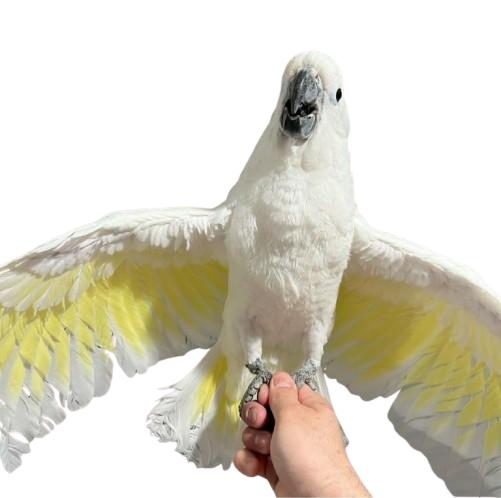
Should I buy a hand fed or parent raised cockatoo
When you are trying to decide whether to bring home a hand fed or parent raised cockatoo, you are looking at one of the most critical foundational choices in your entire journey as an exotic bird owner. I have raised countless white cockatoos and umbrella cockatoos over the years, and I think this particular debate sparks more passionate discussions in aviary circles than almost any other topic.
People often ask me which method yields a better companion, but honestly, the answer depends entirely on what kind of relationship you want to build with your bird, how much time you can invest daily, and whether you are prepared to handle the unique behavioral quirks that stem from early developmental stages. In this guide, we are going to dive deep into the differences, evaluating the emotional bonding of hand-reared chicks against the natural independence of parent-raised birds to help you make an informed choice.
Key Takeaways
- The Hand-Fed Bond: Hand-fed cockatoos are typically socialized closely with humans from a very young age, making them exceptionally affectionate and comfortable with daily handling, though they may face identity confusion.
- The Parent-Raised Instinct: Parent-raised cockatoos retain natural foraging habits, strong flock boundaries, and robust immunity, but they often require significant patience and gradual trust-building to bond with a human owner.
- Behavioral Nuances: Hand-raised birds might look at humans as potential mates or flock peers, which can lead to hormonal frustration later in life if boundaries are not strictly maintained.
- Breeding and Lifestyle Match: Your lifestyle, experience level, and daily availability should dictate whether you choose an intensively socialized companion or a more independent, aviary-style specimen.
Understanding the Early Developmental Path of Hand Fed Cockatoos
When a baby cockatoo is pulled from the nest at a very young age and hand-fed by an experienced breeder, its entire worldview is shaped around human interaction. I remember the countless hours spent warming formula, checking crop temperatures, and whispering to tiny umbrella cockatoos in the nursery; it is an intense, round-the-clock commitment that permanently alters how the bird perceives people.
Because humans replace the biological parents during the most impressionable window of growth, these birds do not typically view us as giant predators or strange outsiders. Instead, we become their primary flock. This deep-seated familiarity makes hand fed cockatoos exceptionally popular among pet owners who want an interactive, cuddly companion that enjoys hanging out on a shoulder or participating in household routines. However, this intense closeness can sometimes backfire if the owner is inconsistent. A hand-reared parrot may become overly dependent, leading to separation anxiety or aggressive territorial behavior when it reaches sexual maturity. Balancing this affection with clear, confident boundaries is a challenge every owner must navigate.
Evaluating the Natural Independence of Parent Raised Cockatoos
On the flip side, leaving a chick with its biological parents inside a secure, spacious flight enclosure creates a completely different psychological profile. Parent raised cockatoos learn how to be birds first. They watch their mother and father crack open tough seeds, navigate perches, and communicate using authentic flock vocalizations.
Why do some advanced aviculturists and conservation-minded owners prefer this route? Because parent-raised birds tend to possess a resilient, grounded confidence. They are less likely to suffer from neurotic feather-plucking habits born out of human-induced neuroses, and they usually understand personal space much better than hand-fed babies. Yet, the trade-off is significant when it comes to companionship. Bringing a parent-raised cockatoo into a domestic setting requires an immense amount of patience. You are essentially asking an animal that views humans with inherent suspicion to rethink its entire evolutionary stance. Earning the trust of a parent-raised bird takes months, sometimes years, of quiet observation, slow movements, and consistent positive reinforcement without the immediate gratification of an instant cuddle buddy.
Comparing Behavioral Outcomes and Socialization Challenges
When looking at the daily reality of living with these magnificent creatures, the behavioral divide between hand fed and parent raised specimens becomes even more pronounced. A hand-fed bird will often fly straight to you, demand head scratches, and treat your living room like its personal playground. But that same bird may throw a deafening tantrum if you leave the room for ten minutes.
Conversely, a parent-raised bird might sit quietly on a designated play stand, observing your household with calm curiosity rather than demanding direct physical contact. Both scenarios present distinct management hurdles:
- Hand-fed birds require strict behavioral guidelines to prevent excessive screaming, screaming for attention, and human-directed hormonal bonding.
- Parent-raised birds require specialized taming techniques, starting with target training and desensitization, before you can safely handle them without protective gloves.
- Nutritional imprinting also plays a role; hand-fed chicks easily accept a wide variety of fresh chop, pellets, and mashes because their handlers introduced diverse foods early on, whereas parent-raised birds can be notoriously stubborn about switching away from traditional seed diets.
Understanding these trade-offs helps you avoid romanticizing one method over the other. Every cockatoo species, whether it is a massive Moluccan or a smaller Goffin’s, reacts through the lens of its early upbringing.
Listicle: Comprehensive Guide to Choosing Your Cockatoo Rearing Style and Sourcing from Top Breeders
Navigating the acquisition of a high-value exotic parrot means looking closely at how breeders manage their nursery programs and what kind of support they offer post-purchase. Here is a detailed breakdown of factors to consider when evaluating your options:
- Assessing Breeder Nursery Practices: Reputable aviaries practicing hand feeding should maintain meticulous hygiene logs, monitor chick weights daily, and ensure weaning happens at a natural, unhurried pace rather than being forced prematurely.
- Evaluating Semi-Controlled Rearing: Some modern breeders use a middle-ground approach where chicks spend their first few weeks with parents for optimal immunity and natural gut flora development before being pulled for gentle human socialization.
- The Moluccan Cockatoo Factor: Due to their extreme emotional sensitivity, Moluccan cockatoos raised by hand need exceptionally stable home environments to prevent chronic stress responses later in life.
- The Umbrella Cockatoo Factor: Umbrella cockatoos thrive on physical touch, making well-socialized hand-fed babies a natural fit for dedicated owners who spend hours at home every day.
- The Goffin’s Cockatoo Factor: Smaller white cockatoos retain high energy levels regardless of how they were raised, meaning physical foraging enrichment matters more than whether they were hand-fed or parent-raised.
- Inspecting Avian Health Certifications: No matter which rearing style you choose, always demand a comprehensive veterinary health clearance certificate confirming the bird is free from infectious multi-bird diseases before finalizing your payment.
- Establishing Long-Term Breeder Support: Choose a professional aviculturist who offers lifetime guidance, troubleshooting advice, and behavioral consultation long after your cockatoo has settled into its new cage.
Conclusion
Ultimately, deciding whether to purchase a hand-fed or parent-raised cockatoo comes down to honest self-reflection about your lifestyle, patience level, and domestic environment. If you want an affectionate, velcro-like companion and are ready to set firm behavioral rules, a hand-fed chick is likely your best match. If you prefer a more independent, resilient observer and have the time to slowly win over a wilder spirit, a parent-raised bird offers a rewarding challenge. Weigh your options carefully, research your source thoroughly, and prepare for a decades-long commitment to one of nature’s most brilliant creatures.
Frequently Asked Questions
What are the main behavioral differences between a hand fed and a parent raised cockatoo?

Hand fed cockatoos are typically much more affectionate, comfortable with human touch, and quick to bond with family members, though they carry a higher risk of developing separation anxiety or inappropriate hormonal attachment. In contrast, parent raised cockatoos are more independent, self-assured, and grounded in natural bird behaviors, but they require a slow, deliberate trust-building process to accept human handling.