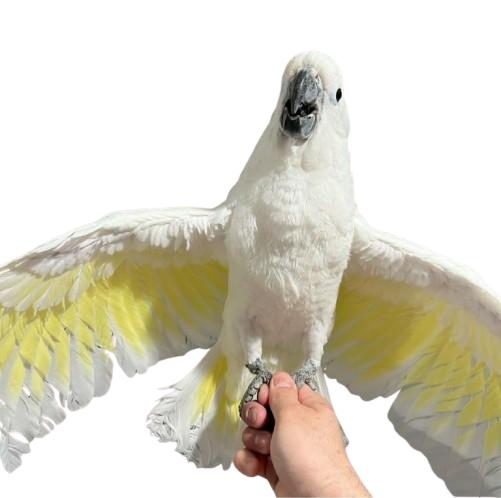
What foods are dangerous or toxic to cockatoos
What foods are dangerous or toxic to cockatoos is a critical safety matter that every conscientious parrot owner must master before sharing snacks from the kitchen table. My name is mr. Parrot, and after decades of breeding and living alongside majestic white cockatoos, umbrella cockatoos, and Moluccan cockatoos, I have seen firsthand how a single moment of carelessness with the wrong snack can turn into an absolute veterinary emergency.
Experience has taught me that these incredibly intelligent hookbills will happily beg for whatever you are eating, completely unaware that common household items can pack severe toxins capable of shutting down their delicate internal systems within hours.
Key Takeaways
- The Avocado Danger: Avocado flesh, skin, pits, and leaves contain persin, a fungicidal toxin that causes rapid heart failure and respiratory collapse in parrots.
- Hidden Sweets and Chemicals: Artificial sweeteners like xylitol, alongside caffeine and chocolate, act as lethal metabolic poisons for high-energy birds.
- Alliums to Avoid: Onions, garlic, chives, and related vegetable compounds destroy red blood cells, leading directly to hemolytic anemia.
- Seed Core Hazards: While many fresh fruits are healthy, apple seeds and stone fruit pits contain natural cyanide precursors that must always be removed.
Understanding Lethal Kitchen Traps and Obvious Poisons
What foods are dangerous or toxic to cockatoos often starts with items most people assume are totally harmless treats. I think back to an incident years ago when a well-meaning visitor tried to share a piece of avocado-laden toast with one of my young rescue birds. Thankfully, someone caught it right away. Avocado contains persin, a natural fatty acid derivative that is profoundly toxic to avian species, causing fluid accumulation around the lungs and heart. Even a tiny nibble of guacamole can prove fatal.
Beyond avocados, chocolate and caffeine sit firmly at the top of the absolute danger list. Chocolate contains theobromine, which a parrot’s fast metabolism cannot process safely. It triggers severe cardiac distress, seizures, and sudden death. Similarly, coffee, black tea, soda, or energy drinks will send a cockatoo’s heart rate soaring into dangerous arrhythmias. It is tempting to share your morning routine, but keeping those cups far away from a curious, roaming beak is non-negotiable.
Sneaky Culinary Ingredients: Onions, Garlic, and Salt Overload
What foods are dangerous or toxic to cockatoos also includes everyday cooking staples like onions, garlic, and heavy salts that damage internal organs over time. Both raw and cooked onions, along with garlic cloves and concentrated onion or garlic powders, contain sulfur compounds that break down red blood cells and induce severe anemia. I always remind people that soup mixes or leftover casserole scraps seasoned with garlic powder are far more potent and dangerous than raw vegetables alone.
High-sodium foods like potato chips, salted pretzels, and processed crackers present another hidden hazard. A cockatoo’s tiny body cannot process heavy sodium loads efficiently. Excessive salt intake causes rapid electrolyte imbalances, extreme dehydration, kidney failure, and sudden neurological decline. If you want to offer your bird a crunchy snack, stick to plain, unsalted air-popped popcorn or a bite of fresh carrot rather than processed human junk food.
Fruit Pits, Dairy, and Sugar Substitutes to Avoid
What foods are dangerous or toxic to cockatoos extends to specific fruit components and artificial additives that frequently catch owners off guard. While fresh apples, pears, peaches, and cherries offer wonderful vitamins, their seeds and pits contain amygdalin, which converts into deadly cyanide compounds when digested by a parrot. Always core and pit fruits meticulously before serving them to your flock.
Dairy products present a different kind of issue because adult birds are entirely lactose intolerant. While a tiny scrape of hard cheese or yogurt won’t instantly kill a bird, large amounts cause severe digestive upset and diarrhea. Far worse is xylitol, an artificial sweetener found in sugar-free gum, diet peanut butter, and baked goods. Even microscopic traces of xylitol trigger catastrophic liver failure and sudden drops in blood sugar, making label-checking an absolute habit for any safe bird room.
Comprehensive User’s Guide to Safe Kitchen Practices for Cockatoo Owners
What foods are dangerous or toxic to cockatoos requires establishing strict kitchen protocols, educating family members, and maintaining absolute vigilance whenever your parrot is out of its enclosure.
- Audit Your Grocery List: Keep all high-risk items—including avocados, chocolate, onions, and sugar-free products—stored securely behind closed cabinet doors.
- Inspect Table Scraps: Never feed your cockatoo directly from your plate if the meal contains hidden garlic powder, butter, processed salts, or cooking oils.
- Core Fruit Thoroughly: Always slice, seed, and core apples, pears, and stone fruits to eliminate any exposure to cyanide-bearing pits.
- Educate Household Visitors: Make sure guests and family members know never to slip the bird pieces of cookies, caffeinated beverages, or cheesy snacks.
Listicle of Top Avian Safety Standards and Nutritional Protocols
What foods are dangerous or toxic to cockatoos connects directly with professional breeding standards, toxin-prevention guidelines, and elite management strategies practiced by experienced exotic bird handlers.
- Certified Avian Dietary Plans: Rely strictly on formulated pellets, organic vegetables, and safe botanical items approved by certified avian veterinarians.
- Strict Kitchen Isolation Zones: Keep free-roaming parrots completely out of the kitchen during meal preparation to prevent accidental ingestion of dropped scraps or hot splashes.
- Pesticide and Chemical Washing: Thoroughly wash all safe fruits and vegetables under clean running water to strip away agricultural residues that can poison a sensitive liver.
- Emergency Avian First Aid Contacts: Keep local avian veterinary clinic numbers and after-hours emergency poison control details posted visibly near the bird enclosure.
Conclusion
What foods are dangerous or toxic to cockatoos ultimately comes down to proactive household management, careful label reading, and a firm commitment to keeping human junk food away from your feathered companion. By understanding the lethal nature of avocados, chocolate, alliums, and artificial sweeteners, you protect your magnificent white parrot from entirely preventable tragedies. Stay vigilant, stick to safe organic produce and quality pellets, and enjoy a long, healthy life with your cherished companion.
Frequently Asked Questions
What should I do immediately if my cockatoo accidentally eats something toxic like chocolate or avocado?

If you suspect your cockatoo has ingested a toxic food item, do not wait for symptoms to appear; immediately contact an emergency avian veterinarian or a specialized animal poison control center with the exact details of what and how much the bird consumed, as rapid professional intervention is often the only way to save its life.