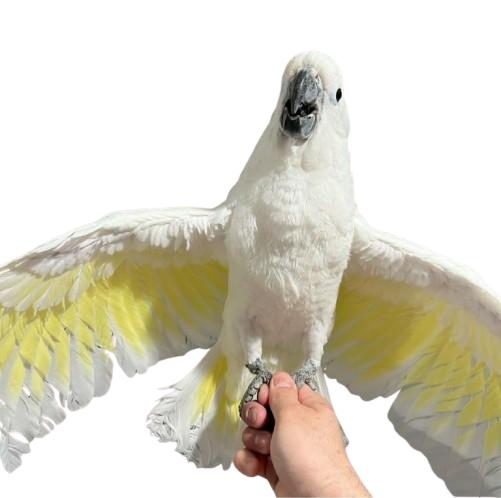
What paperwork or certificates should come with a cockatoo
When you are stepping into the fascinating world of exotic bird ownership, tracking down the right documentation can feel a bit overwhelming, and I think many prospective owners are genuinely surprised by how much paperwork is actually involved. Bringing home an expressive white cockatoo or a striking umbrella cockatoo is a major life commitment, but it should always be backed by clear, legal, and medical records.
People often ask me what documents are standard, and honestly, the industry can vary quite a bit depending on where you source your bird. In this guide, we are going to break down everything you should legally and medically expect to receive when finalizing your adoption or purchase.
Key Takeaways
- Health and Vet Records: A certified veterinary health examination report documenting that the bird is free of common systemic issues is non-negotiable.
- Legal and CITES Compliance: Because many exotic species are internationally protected, verification of legal captive-bred status and CITES documentation where applicable ensures total transparency.
- Identification Tracking: Secure markers such as closed leg bands or microchip data link your paperwork directly to your individual bird.
- Sales Contract and Guarantee: A clear bill of sale outlining health clauses, purchase terms, and return conditions protects both the buyer and the breeder.
Why Proper Documentation Matters in Avian Care
When you invest your time, heart, and resources into welcoming a highly intelligent, long-lived companion like a cockatoo into your household, having solid proof of its background is essential. I remember when I first navigated the complexities of exotic bird compliance; the sheer volume of rules made my head spin. You want absolute certainty that your new feathered family member was bred ethically, raised legally, and checked thoroughly by a qualified professional before changing hands.
Proper paperwork acts as a vital bridge of trust between a conscientious breeder and a passionate pet parent. Without it, you are stepping into uncertain territory. Furthermore, because birds have delicate biological systems, having a clear paper trail of their early medical milestones helps your local avian veterinarian provide tailored care from day one. It removes the guesswork and establishes a solid historical record for your pet’s future.
Essential Medical and Health Certification Documents
It is easy to assume that buying a live animal simply involves a quick handshake and a carrier box, but professional aviculture relies heavily on rigorous medical tracking. When you purchase a healthy cockatoo, the transaction should always be accompanied by recent veterinary documentation.
What should you look for in this file? A comprehensive health certificate typically includes:
- Verification of a physical examination conducted by a licensed avian veterinarian.
- Screening results for major avian ailments, such as Psittacosis or Polyomavirus, depending on the aviary’s protocol.
- Weight history and nutritional milestone notes confirming the chick has successfully transitioned to independent eating.
However, standard health papers will not cover everything indefinitely. They represent a snapshot in time. If a bird encounters household hazards or improper care after arriving home, responsibility shifts. Transparency here is crucial, and reviewing these health metrics beforehand ensures you know precisely what physical condition your companion is in.
Legal Ownership Proof, Identification, and CITES Regulations
You cannot discuss proper acquisition paperwork without highlighting legal identification and international wildlife safeguards. Many people do not realize that various exotic species fall under specific protection tiers, such as CITES classifications, which govern legal commercial movement.
A reputable breeder will always supply documentation verifying that the bird was legally captive-bred rather than sourced from the wild. Key items in this category include:
- A formal bill of sale or purchase receipt establishing clear ownership history.
- Permanent identification details, which may feature a closed metal leg band number or a registered microchip code.
- Any necessary regional or international transfer permits if the animal crosses state or national borders.
If a seller hesitates to provide clear identification numbers or refuses to give you a signed bill of sale, that is usually a major warning sign. Legitimate operations take pride in their traceable lineage and compliance with wildlife laws.
Listicle: Top Paperwork and Verification Checklists for Cockatoo Buyers
Navigating the acquisition process requires a careful eye, especially given that different cockatoo species carry distinct compliance and care frameworks. Here is a breakdown of what documents to demand during your search:
- The Umbrella Cockatoo: Known for their deep emotional bonds, these large white cockatoos require clear lineage and hatching records. Ensure your breeder supplies documented proof of parent stock health to rule out congenital hurdles.
- The Goffin’s Cockatoo: Being smaller does not mean relaxed paperwork standards. Smaller cockatoos still require robust weaning logs and health clearance forms to prove they were not pulled from the nest prematurely.
- The Moluccan Cockatoo: Because these striking pink birds demand specialized long-term care, comprehensive sales contracts detailing health guarantees and return policies are vital.
- Microchip and Band Verification: Always cross-reference the physical band or microchip number on the bird against the numbers printed on your health and sales certificates to ensure a 100% match.
- Written Purchase Agreements: Never rely on verbal promises regarding health coverage or sexing accuracy. DNA gender-determination certificates should be included if you are paying for a specific male or female.
Conclusion
Ultimately, acquiring a healthy companion bird comes down to demanding full transparency and complete documentation. While reviewing health certificates, identification numbers, and bills of sale requires extra diligence upfront, it provides a reliable safety net that distinguishes responsible aviculturists from casual sellers. Take your time, inspect every certificate thoroughly, and establish a clear paper trail before your new friend ever steps foot inside your home.
Frequently Asked Questions
What specific documents must a breeder provide when I buy a cockatoo?

When purchasing a cockatoo, you should receive a formal bill of sale, a recent health certificate issued by a licensed avian veterinarian, proof of permanent identification (such as a microchip number or closed leg band), and any applicable breed or species origin paperwork to guarantee legal, captive-bred status.