Which cockatoo species make the best pets
Navigating the world of exotic birds can feel a bit overwhelming, especially when you are trying to figure out which bird fits right into your daily lifestyle. My name is mr. Parrot, and after spending decades hand-raising, studying, and living alongside these remarkable white and pink-crested wonders at my aviary, people ask me this question almost every single day. Choosing a companion bird isn’t like picking out a goldfish or even a standard puppy; it is a major decision that shapes your household dynamic for decades.
Some species demand constant physical closeness and can practically shatter your windows with a single morning scream, while others offer a slightly more independent or manageable temperament. Let’s dive deep into the specific characteristics, behavioral quirks, and everyday care requirements of the most popular companion cockatoos to help you understand which variety might align with your home environment.
Key Takeaways
- Species Variance: Not all cockatoos behave the same way; smaller species like the Goffin’s or Galah offer distinct temperament differences compared to powerhouse giants like the Moluccan.
- Social Requirements: These birds thrive on intense, daily human interaction and can easily develop destructive habits if left isolated for long stretches.
- Environmental Impact: Expect plenty of fine white powder dust, high decibel vocalizations, and heavy-duty chewing that requires constant toy replenishment.
- Lifelong Investment: With lifespans frequently stretching between 40 to 80 years, bringing one of these parrots home requires serious, long-term estate planning.
Evaluating Which Cockatoo Species Make the Best Pets for Your Lifestyle
When people wonder which cockatoo species make the best pets, they usually picture an affectionate, velcro-like bird that sits quietly on their shoulder while they drink morning coffee. The reality, of course, is a bit more chaotic and loud. Different species carry vastly different energy levels, noise thresholds, and emotional demands. If you live in a bustling family home with lots of activity, or if you work from home and can offer hours of daily out-of-cage engagement, certain species will match your rhythm much better than others. Let’s take a closer look at the primary contenders in the aviculture world to see how their personalities stack up in a real home setting.
The Goffin’s Cockatoo
For enthusiasts looking for high intelligence and an endless supply of playful curiosity without managing a massive bird, the Goffin’s often tops the list. As the smallest of the commonly kept white cockatoos, they bring all the clownish entertainment and affection of their larger cousins into a more compact package. They love learning tricks, solving puzzle toys, and exploring every corner of the room. However, do not mistake their smaller size for low maintenance. A bored Goffin’s will invent its own entertainment, which usually involves chewing through baseboards or dismantling cabinet handles with surgical precision.
The Galah (Rose-Breasted) Cockatoo
Boasting striking grey wings and vibrant pink plumage, the Galah is widely considered by many experienced breeders to be one of the more adaptable choices for dedicated bird lovers. They tend to have a slightly more independent streak than the ultra-clingy white cockatoos, meaning they can sometimes handle a bit of downtime while you run errands without immediately resorting to frantic screaming or feather plucking. Their vocalizations, while still loud, are generally less piercing than those of the larger Indonesian species. They love to socialize, play catch with small toys, and show off their acrobatic skills, making them a delightful addition for families with a steady routine.
The Umbrella Cockatoo
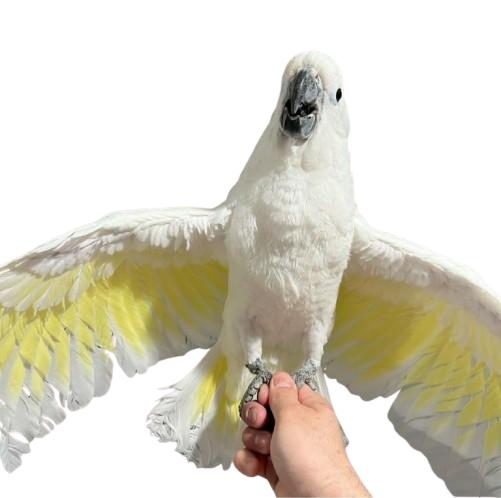
The Umbrella Cockatoo is famous for its broad, sweeping white crest and its immense capacity for deep, undivided devotion. If you want a literal shadow that follows you from room to room, demands endless head scritches, and expresses pure ecstasy every time you walk through the door, an Umbrella delivers that in spades. But this intense bond has a flip side. They are exceptionally loud, prone to severe separation anxiety, and require a household where someone is almost always present. If neglected, their frustration turns into ear-splitting screeches and destructive chewing that can test even the most patient handler.
The Moluccan Cockatoo
The Moluccan is a breathtaking giant featuring soft salmon-pink feathers and a fiery crest, often regarded as one of the most emotionally sensitive and affectionate birds in existence. Yet, I always caution beginners to admire Moluccans from a distance unless they have years of advanced hookbill experience. They are massive, incredibly powerful animals capable of delivering a bite that can cause serious injury. Their vocalizations can reach decibels capable of rattling household drywall. They require enormous steel enclosures and an unwavering commitment to managing a bird with the emotional intensity of a permanent toddler.
Comprehensive User Guide: Daily Husbandry, Nutrition, and Enrichment
Successfully keeping any of these wonderful birds means establishing a rigorous, predictable daily routine that keeps their active minds and bodies fully engaged. Let’s break down what proper avian care looks like behind the scenes.
Crafting a Balanced Nutritional Plan
Feeding a cockatoo goes far beyond tossing a scoop of generic seeds into a bowl. In fact, all-seed diets are notorious for causing fatal fatty liver disease in captive parrots due to their high fat content. A proper daily menu should heavily feature high-quality formulated pellets, complemented by fresh dark leafy greens, steamed sweet potatoes, carrots, broccoli, and occasional fresh berries or melon as treats. Because cockatoos naturally spend hours searching for food in the wild, I always advise owners to use foraging toys, puzzle boxes, and hanging kabobs to make mealtime an interactive mental workout rather than a quick handout.
Managing Out-of-Cage Time and Socialization
Expect to dedicate a minimum of three to four hours every single day to active out-of-cage interaction, training, and socialization. This means letting your bird stretch its wings, practice flight or ladder climbing, and interact directly with family members. During these sessions, supervision is non-negotiable. Their powerful beaks are designed to strip tree bark, which translates in a domestic home to peeling wallpaper, chewing wooden chair legs, and testing electrical cords. Providing dedicated, heavy-duty play stands stocked with fresh, untreated wood branches and destructible cardboard keeps them safely occupied.
Ensuring Proper Rest and Sleep Environment
Just like humans, cockatoos require deep, uninterrupted sleep to maintain balanced hormones and strong immune systems. They need between 10 to 12 hours of total darkness and quiet every single night. Many seasoned owners set up a secondary, smaller sleep cage located in a quiet, low-traffic room away from late-night television lights and household commotion, ensuring their bird gets the restorative rest it needs to wake up bright-eyed and cheerful.
Listicle of Top Cockatoo Breeders and Ethical Sourcing Practices
When you have thoroughly evaluated your lifestyle and decided to welcome one of these intelligent companions into your home, sourcing your bird from a responsible, transparent breeder is the most important step you can take. Ethical breeding protects bird health, guarantees proper socialization, and ensures your companion starts life on solid footing. Here is a close look at what to look for when choosing top-tier avian providers:
- Comprehensive Avian Health Testing: Reputable breeders partner with certified avian veterinarians to routinely screen their adult breeding pairs for serious psittacine ailments, including PBFD (Psittacine Beak and Feather Disease), Polyomavirus, and Chlamydia psittaci.
- Gentle Hand-Feeding and Desensitization: Top breeders don’t just isolate chicks in sterile bins; they carefully hand-feed them using precise temperature-controlled formulas while gently introducing normal household sounds, human hands, and various environmental textures to build absolute confidence.
- Natural Weaning Timelines: A trustworthy breeder never rushes the weaning process just to push a quick sale. They allow each young chick to transition onto solid foods, fresh vegetables, and pellets at its own biological pace to prevent long-term digestive and psychological stress.
- Lifelong Guidance and Mentorship: The best breeders view their relationship with new owners as a permanent commitment, offering ongoing support regarding diet adjustments, behavioral troubleshooting, cage positioning, and general care advice long after the bird goes home.
- Immaculate Facility Standards: Whether through detailed virtual tours or strict in-person visits designed to protect biosecurity, ethical breeding operations maintain spotless, well-ventilated indoor housing and spacious outdoor flight aviaries that prioritize animal welfare over high-volume commercial output.
Conclusion
Determining which cockatoo species make the best pets ultimately comes down to matching your personal patience, housing situation, and daily availability with the unique traits of these brilliant birds. Whether you lean toward the compact, playful energy of a Goffin’s, the adaptable charm of a Galah, or the intense, lifelong devotion of an Umbrella or Moluccan, success depends entirely on your willingness to invest time, space, and deep emotional understanding. If you have the dedication to provide decades of structured care, a cockatoo will reward you with an unmatched level of companionship and personality. If you prefer a quiet, low-maintenance household, admiring these magnificent creatures from afar remains a wise alternative.
Frequently Asked Questions
Which specific cockatoo species is generally considered the quietest and best suited for moderate environments?

While no cockatoo is truly silent, the Goffin’s Cockatoo and the Galah (Rose-breasted) Cockatoo are widely considered the most manageable options regarding noise levels and overall intensity. Their vocalizations typically register at lower decibels compared to larger white or Moluccan cockatoos, and their slightly more adaptable temperaments make them somewhat easier to integrate into a structured home environment when provided with proper mental stimulation and daily attention.